August 13, 2026 I Legal
NAMM Issues Statement on Section 232 Addition of Brass-wind Instruments
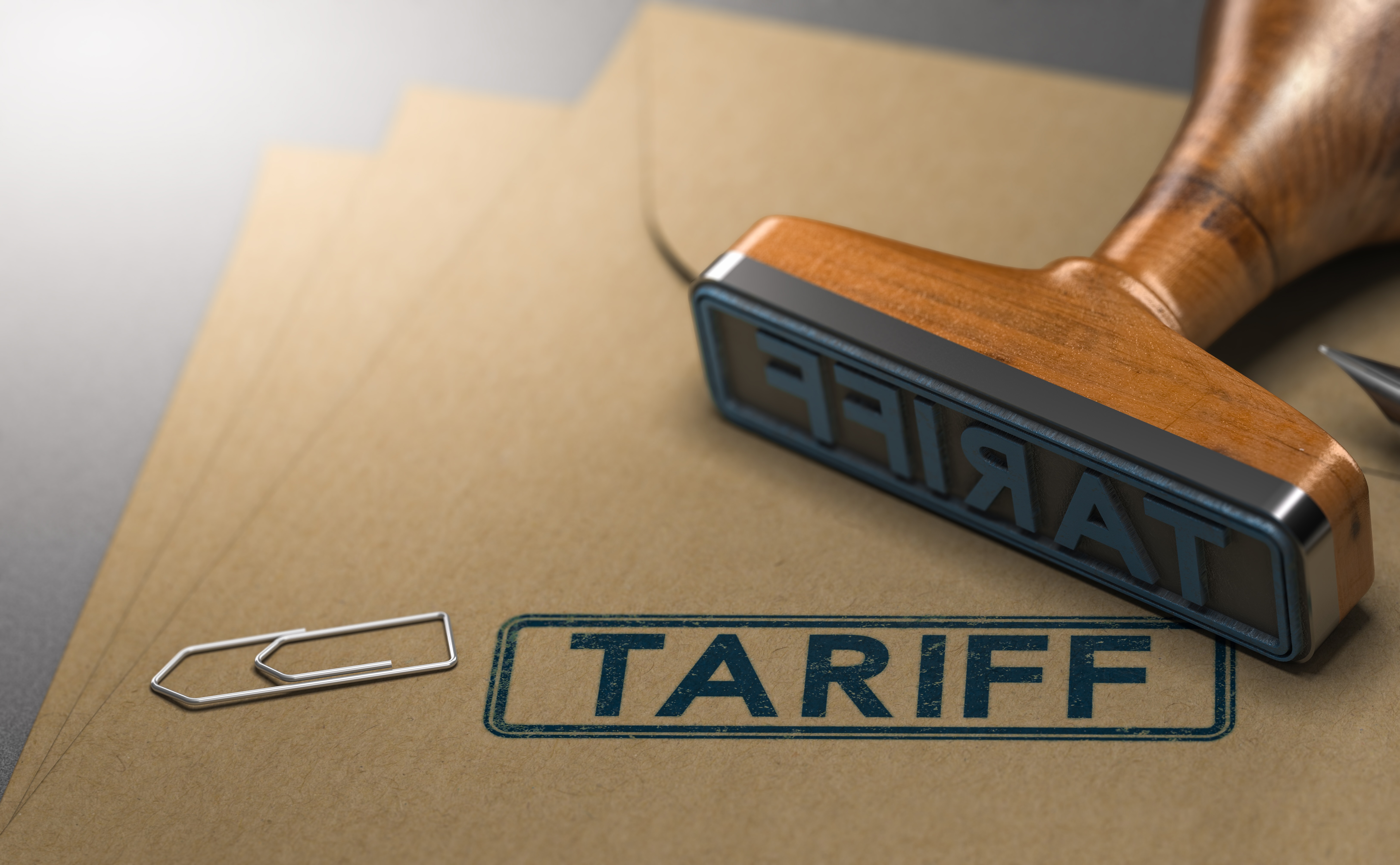
On Aug. 6, the U.S. Commerce Department proposed adding brass-wind instruments and their parts to the products covered by Section 232 tariffs on steel, aluminum and copper. If finalized, those imports would generally face a 25% tariff, with commerce arguing that their metal content makes them relevant to the national-security objectives behind the existing Section 232 measures. NAMM’s President and CEO John Mlynczak recently appeared on CNN to discuss the imposed tariff. NAMM has also issued the below statement:
“More than 25 million students participate in school music each year, supported by a network of thousands of American retailers who have imported and supplied these instruments for decades. These students feed the pipeline of American musicians who contribute to the creative economy that produces $1.17 trillion of economic activity, accounts for 4.2 percent of U.S. GDP and provides 5.4 million arts and cultural jobs nationwide according to a 2025 report by the U.S. Bureau of Economic Analysis.
A study published by the Peterson Institute of International Economics found that IEEPA tariffs resulted in a 27% decline in wind instrument imports in 2025. The addition of brass-wind instruments in Section 232 will further erode the pipeline and increase the costs of musical instruments that serve the American musicians who create one of America’s greatest cultural exports: our music.
There is absolutely no national security risk with musical instruments, and in fact, the opposite is true. Music making has been one of the most culturally uniting activities for thousands of years.
NAMM strongly opposes the addition of brass-wind musical instruments and parts and accessories (HTSUS 9205.10.0040 and HTSUS 9205.10.0080) in the proposed Section 232 and will be filing comments against them to the Bureau of Industry and Security’s (BIS), U.S. Department of Commerce. NAMM has been consistent in this message, including the excerpt below from our oral testimony in the Section 301 committee hearing on excess capacity in May. We will continue to champion access to American music making for our current and future generations.
When the Administration speaks of protecting American manufacturing, we ask that they consider how the entire pipeline empowers American consumers and future musicians. The American professional instrument market is only as strong as the student market that feeds it. 49% of American students, around 25 million children, participate in music education in American schools. No other country in the world comes close to this level of music program participation. And every professional musician in America began as a student on an affordable, entry-level instrument, which then feeds the pipeline for American-made professional instruments.
Unfortunately, entry-level student instruments are most impacted by tariffs: in 2025, U.S. imports of wind instruments fell 27%. Piano imports fell 20%. These are not just statistics. They are empty music rooms. These are students who may never pick up an instrument, and who will never, ten years from now, walk into an American music store to buy a professional instrument made in the United States.
American manufacturers face higher production costs and are selling less abroad. American schools face higher prices and are buying fewer instruments. American musicians are paying more for the products they depend on for their livelihood. Respectfully, that is precisely the inverse of what a level playing field looks like.
The tariff policies were not designed with our industry in mind and are producing consequences which directly harm American businesses, musicians, and children. Musical instruments are not a national security risk. There is no strategic manufacturing sector at stake. What is at stake is American music education and the long-term success of the American-led global music products industry, as well as America’s position as the leading exporter of popular music and culture.”